Rhinoplasty After Nose Thread Lifting — What Makes It Difficult

Nose thread lifting is a procedure that raises the bridge or tip of the nose by inserting threads without an incision. Because it is relatively simple, some people have thread lifting first and then, over time, consider rhinoplasty. However, a nose that has had thread lifting can be more challenging to operate on than one that has not.
What Nose Thread Lifting Is
It is a procedure that inserts dissolvable or non-dissolvable threads into the nose to lift the tissue, using the tissue reaction that forms around the threads to hold the shape.
It is simple, but the effect is not permanent, and over time the shape can droop or change, which is why later surgery sometimes comes into consideration.
Why Later Surgery Can Be Challenging
A nose that has had thread lifting can raise the difficulty of surgery for the following reasons.
- Tissue adhesion: fibrosis (a hardening tissue reaction) forms around the threads, making it harder to dissect the layers
- Remaining threads: non-dissolvable threads, or threads not yet dissolved, may remain within the tissue
- Distorted anatomical layers: the original tissue boundaries become blurred, making it harder to secure a clear surgical field
- Infection-risk management: an area with remaining foreign material (threads) requires more careful management
When these factors overlap, surgery may take longer or the plan may change.
What Happens to the Remaining Threads
During rhinoplasty, a process of identifying and removing threads left in the tissue is often carried out as well.
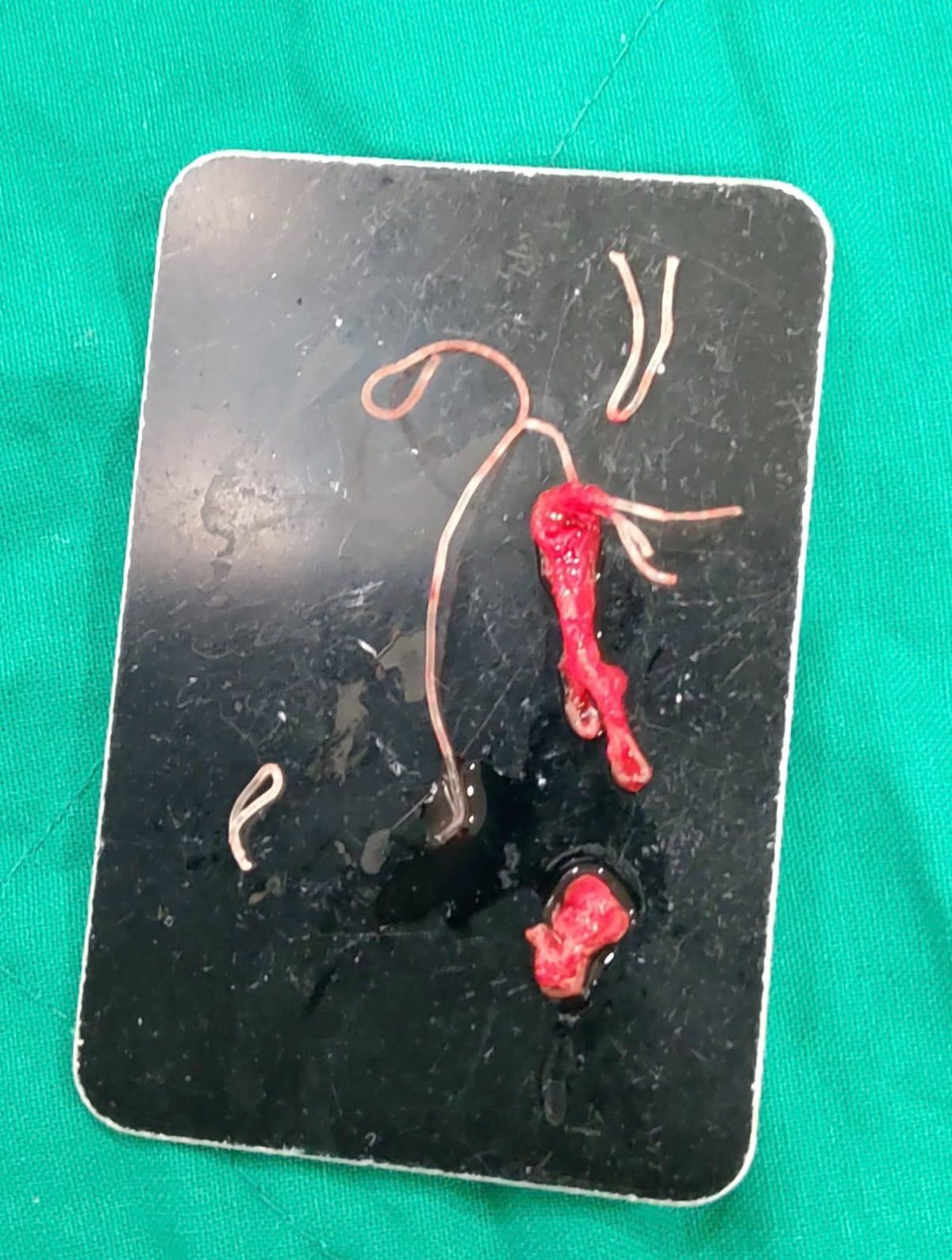
- The adhered tissue is carefully dissected to find and remove the threads
- If threads are positioned in several directions, removal can take more time
- In some cases the threads cannot be removed completely, so the judgment depends on the condition
Thread removal is also a preparation step for placing structural support stably afterward.
If You Are Considering Surgery
- Knowing a record of when and what type of thread lifting you had is helpful
- If the threads are dissolvable, it may be favorable to wait until they have been absorbed to some degree
- If there is inflammation or a hard sensation, it should be mentioned in advance
As with all surgery, rhinoplasty after thread lifting carries the possibility of swelling, bruising, asymmetry, and rarely infection, and outcomes can vary depending on the degree of adhesion.
Closing
For rhinoplasty after nose thread lifting, accurately understanding the remaining threads and tissue condition comes first. Because the approach can differ depending on your previous procedure history and current nasal condition, we recommend deciding after thorough consultation with a specialist.